
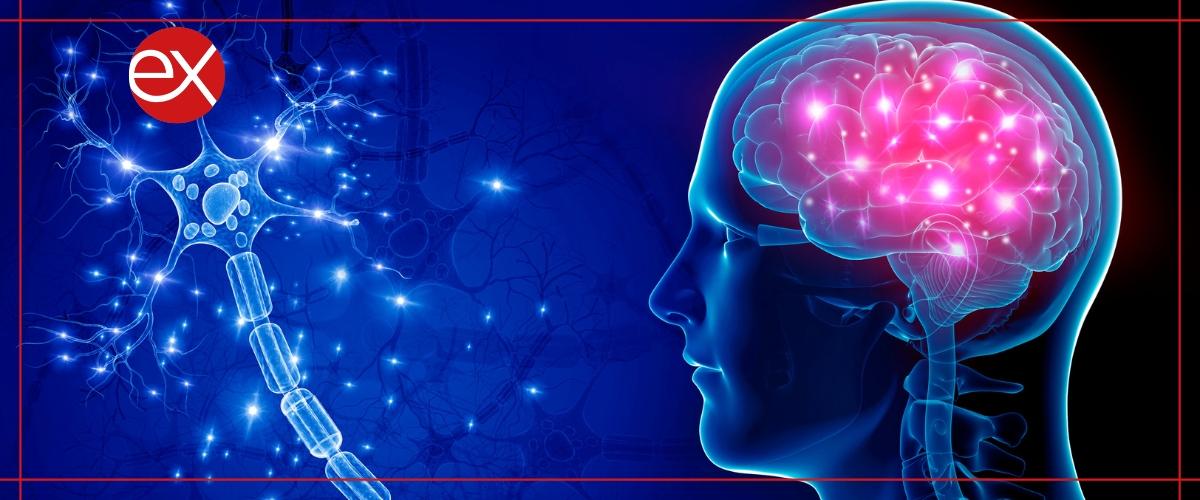
Exercise is often framed as a way to improve physical health, but modern neuroscience shows it plays a much deeper role. Physical activity directly influences brain structure, cognitive performance, and the rate at which the brain ages. The evidence is now strong enough that exercise is considered one of the most effective, accessible strategies for supporting long-term brain health.
This article summarises what current research shows about how exercise affects the brain and how to apply this knowledge in practical ways.
Exercise and brain ageing
One of the most significant recent findings is that exercise may influence how quickly the brain ages.
A large randomised clinical trial found that higher fitness levels were associated with more favourable brain ageing patterns, suggesting that physical activity may help slow or reduce age-related changes in brain structure (Wan et al., 2026). This is important because brain age is closely linked to cognitive performance and long-term neurological health.
In practical terms, this means that regular physical activity may not just improve how you feel day-to-day, but could also influence how well your brain functions over time.
Exercise and brain structure
Physical activity is also associated with measurable differences in brain structure.
A large community-based study found that higher levels of physical activity were linked to differences in brain regions involved in memory and cognition (La Hood et al., 2025). These structural differences are important because they are associated with learning capacity, memory retention, and overall cognitive efficiency.
While these studies are observational in nature, they consistently show a pattern: more movement is associated with healthier brain structure.
Exercise improves memory and thinking skills
Beyond structure, exercise also improves how the brain functions.
Physical activity has been shown to enhance memory, attention, and overall thinking ability. One explanation is that exercise increases blood flow to the brain and supports processes that improve neural efficiency and connectivity (LeWine, 2026).
These changes are not limited to athletes or high-performance training groups. Even moderate, consistent physical activity has been linked to improvements in cognitive performance across different age groups.
Why exercise works: the underlying mechanisms
The benefits of exercise for the brain are driven by multiple biological pathways:
- Increased blood flow and oxygen delivery to the brain
- Support for neural growth and connectivity
- Improved metabolic and cardiovascular health
- Reduced inflammation, which is linked to cognitive decline
Together, these mechanisms help explain why physical activity is so consistently associated with better brain health outcomes.
What type of exercise is most effective?
The research does not point to a single “best” form of exercise. Instead, the strongest evidence supports regular, sustained physical activity.
Aerobic exercise such as walking, running, cycling, and swimming is most commonly studied. However, the key factor appears to be consistency rather than intensity or modality.
The brain benefits emerge over time, particularly when activity is maintained across months and years rather than performed sporadically.
Practical Application: How to Use This Evidence
Based on current research, there are a few clear, practical recommendations:
1. Be consistent rather than extreme: Regular activity over time is more important than short bursts of intense exercise.
2. Aim for minimum activity guidelines: Around 150 minutes of moderate physical activity per week is a widely supported benchmark for health benefits.
3. Keep it realistic and sustainable: Activities like walking, cycling, or structured movement sessions are effective when done regularly.
4. Think long-term: The most significant brain benefits are associated with sustained habits, not one-off efforts.
The evidence is increasingly clear: exercise is not only a physical health tool but also a neurological one. It is associated with healthier brain structure, improved cognitive function, and more favourable brain ageing patterns (Wan et al., 2026; La Hood et al., 2025; LeWine, 2026).
In practical terms, this makes regular physical activity one of the most accessible and evidence-based ways to support brain health across the lifespan.
References
La Hood, A., Moran, C., Than, S., et al. (2025). Associations between physical activity and brain structure in a large community cohort. Scientific Reports, 15, 18896. https://doi.org/10.1038/s41598-025-04010-7
LeWine, H. E. (2026, April 17). Exercise can boost your memory and thinking skills. Harvard Health Publishing. https://www.health.harvard.edu/mind-and-mood/exercise-can-boost-your-memory-and-thinking-skills
Wan, L., Molina-Hidalgo, C., Crisafio, M. E., Grove, G., Leckie, R. L., Kamarck, T. W., Kang, C., DeCataldo, M., Marsland, A. L., Muldoon, M. F., Scudder, M. R., Rasero, J., Gianaros, P. J., & Erickson, K. I. (2026). Fitness and exercise effects on brain age: A randomized clinical trial. Journal of Sport and Health Science, 15, 101079. https://doi.org/10.1016/j.jshs.2025.101079